
Dalhousie University Faculty of Medicine Department of Anesthesia

Dalhousie Anesthesia - Global Health - Global Health Overview
Printed May 16, 2012
from http://anesthesia.medicine.dal.ca/global-health/global-health-overview.php


Global Health: An Overview

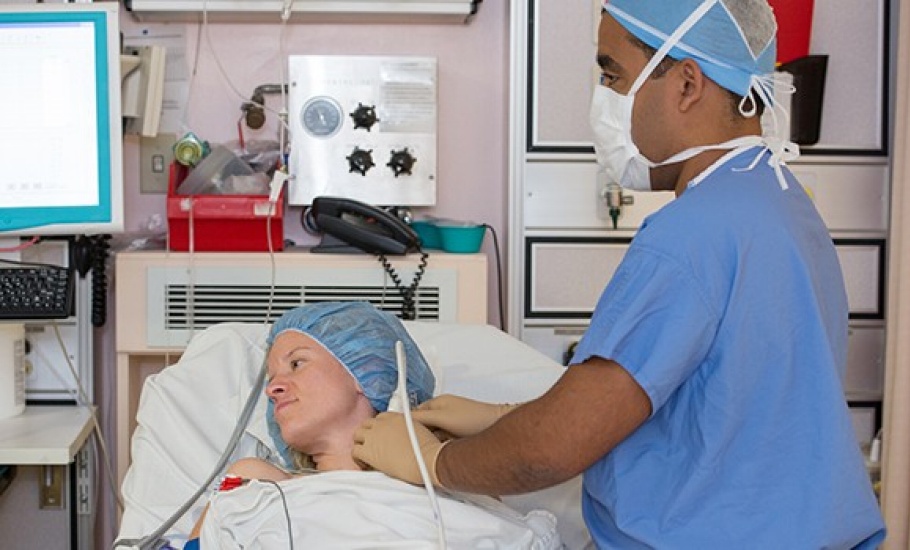
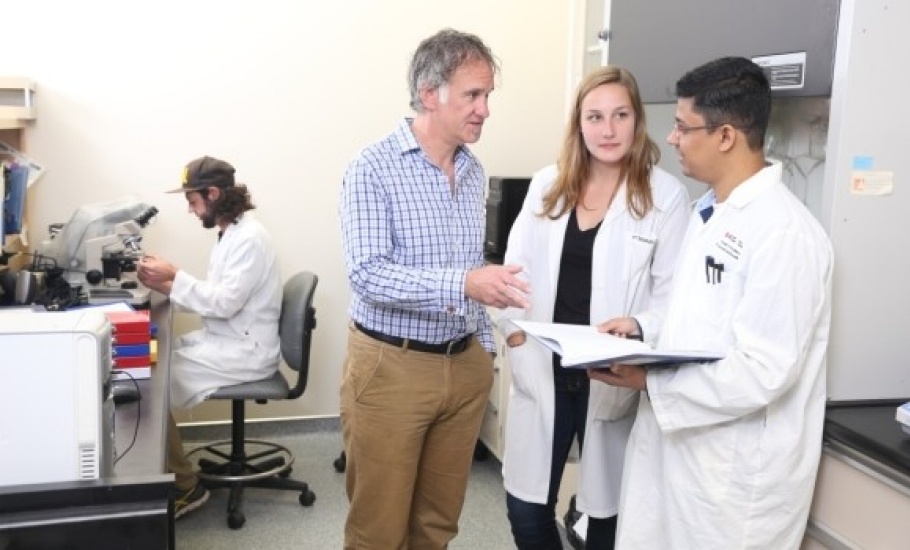
IMG_1755.jpgGlobally, about 234 million major surgical operations are conducted each year. In some regions, anesthesia-related mortality is as high as 1 in 150 patients receiving general anesthesia (1). Safe surgery requires safe anesthesia, which can only be delivered if sustainable, high-quality training and resources are available (1).

Appropriate surgical care contributes to reductions in mortality rates from traffic accidents, conflicts and natural disasters, and anesthesia is an essential component of surgical care. A lack of health professionals trained in anesthetic care can prevent much-needed surgery from happening at all or compromise the quality of surgeries that do take place.

Safe anesthesia is essential for reducing maternal and fetal mortality, which is a millennium development goal. The most common causes of maternal death worldwide are hemorrhage, hypertensive diseases and sepsis, with a smaller proportion due to obstructed labor (2,3).  The presence of a health professional skilled in anesthetic care would prevent many of these deaths as appropriate life-saving surgical interventions could be performed. Anesthesia professionals are also skilled at recognizing and providing the need for prompt and effective resuscitation to critically ill mothers and their infants.

Picture2 CHK.jpg 1. 10 Facts on Safe Surgery. World Health Organization. http://www.who.int/features/factfiles/safe_surgery/en/index.html

2. Ronsmans C, Graham W. Maternal mortality: who, when, where and why. Lancet 2006; 368: 1189–200.

3. Khan KS, Wojdyla D, Say L, Gulmezoglu AM, Van Look FA. WHO analysis of causes of maternal death: a systematic review. Lancet 2006; 367: 1066–74.

Download the report

Our Mission

To deliver anesthesia services through
up-to-date clinical care based on the latest
evidence (research) and knowledge (education).